
What Proof Should a Local Service Business Have Before Running Ads?
A local service business does not need a perfect brand library before it runs an advertisement. It does need enough evidence for a prospective customer to understand who is making the promise, whether the service fits, and what will happen after the click.
Without that proof, paid promotion can make an existing weakness more expensive. The ad creates attention, but the landing page offers broad claims, anonymous stock photography, or reviews with little connection to the promoted service. The business may receive traffic while qualified buyers keep looking for someone easier to verify.

Proof begins with identity and fit
The first layer is not a cinematic video or a long case study. It is a clear account of the business. The page should name the company, the service being promoted, the area actually served, and the kind of customer or problem that fits. A buyer should not have to infer whether the company offers the advertised work in the buyer's location.
This is why Adelante's local advertising work starts with the offer and landing path. The ad can be concise because the destination carries the explanation. If the ad promises emergency electrical service, the page should not open with a generic paragraph about quality home solutions. It should explain the service, realistic availability, and the next step.
Google Ads lists insufficient original content and destinations that are difficult to navigate among its destination requirements. Passing a policy review is only the floor. The commercial question is whether the destination gives the right buyer enough evidence to act.
Show how the service is actually delivered
Next, the business should demonstrate its process or judgment. A short owner explanation, a technician photograph, a before-and-after record, or a plainly written service walkthrough can do more than another unsupported adjective. The useful proof depends on what the buyer is afraid of getting wrong.
A homeowner choosing a roof repair company may want to know how the team distinguishes a repair from a replacement. A family evaluating in-home care may need to understand screening, communication, and who will arrive. A business buyer comparing facility-service providers may care about documentation and site accountability. These are service questions, not content formats.
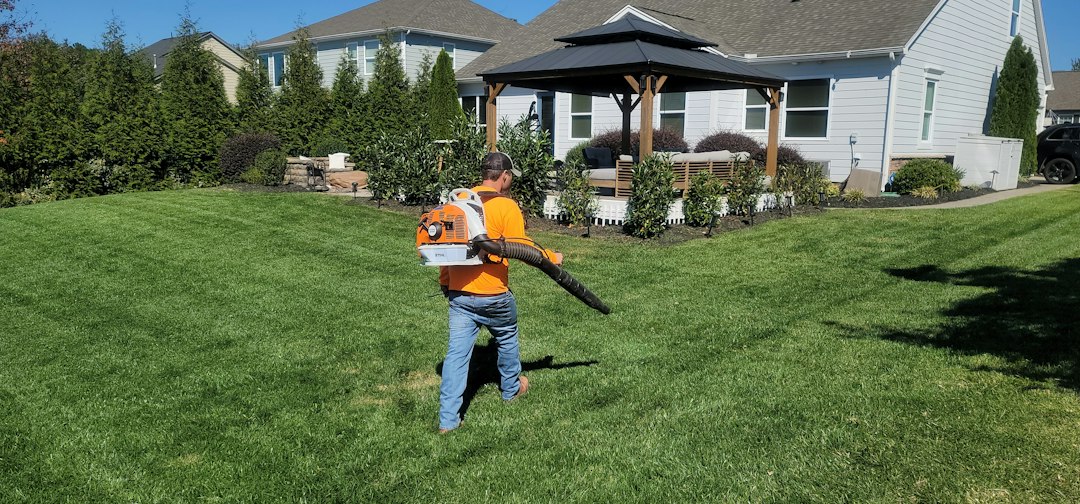
Original service evidence also strengthens local search content beyond the paid campaign. A useful photograph or expert explanation can support a service page, Google Business Profile update, sales follow-up, and future article when it is captured with reuse in mind.
Use customer evidence carefully and specifically
Reviews and testimonials matter because they let a buyer see that the business has delivered for someone else. The strongest examples are relevant to the promoted service and make a believable point. “Great company” is positive, but a review describing clear communication during a difficult repair answers a more useful concern.
Customer evidence still needs responsible handling. The Federal Trade Commission's consumer reviews and testimonials rule addresses practices such as fake reviews and incentives conditioned on a particular sentiment. A business should not turn a review into a stronger outcome claim than the customer actually made.
Proof is persuasive because it is real. Editing should clarify the evidence, not inflate it.

The response path is part of the promise
An ad can present credible evidence and still disappoint if nobody owns the inquiry. Before launch, the business should know where calls and forms go, what information the first response needs, and what happens when the team is busy. This does not require an elaborate system. It requires a visible handoff.
A website connected to the operating path should preserve the service interest and make the next action clear. A practical lead follow-up process can then help the staff respond on time without pretending that automation replaces a qualified person.
What is the minimum proof set before launch?

For one priority service, a local business should usually be able to assemble a focused set without waiting months:
a clear service promise, service area, and fit statement;
at least one piece of original evidence showing the people, work, or decision process;
relevant customer or outcome evidence that can be used accurately;
a landing page and response path with a named owner.
The exact assets vary by industry. A portfolio may matter more for a cabinet refinisher. Credentials and staff introductions may matter more for a care provider. A commercial contractor may need project documentation and a clear explanation of site coordination. The set should answer the buyer's decision, not satisfy a generic marketing checklist.
How might this work for a Roanoke contractor?
Consider a Roanoke landscaping company that wants more installation projects. Before running search ads, the company builds one focused page. It explains the homes and system situations that fit, shows the team performing an installation, introduces the person who conducts the consultation, and includes a customer account about communication during a recent project.
The form asks for the service wanted and a preferred contact window. The office knows who will answer during business hours and what happens to an evening request. Campaign reporting separates replacement opportunities from basic lawn care calls so the owner can judge qualified demand instead of total form volume.

Do not wait for perfect; fix the proof gap that changes the decision
Some businesses already have the evidence but have never organized it around the service they want to promote. Others need one interview, a short project capture, or a more accurate service page before paid traffic makes sense. The goal is not to delay every campaign until the business has a documentary archive. It is to remove the most important reason a qualified buyer would hesitate.
Adelante's proof-led growth planning connects positioning, original evidence, focused acquisition, follow-through, and measurement. If you are considering Google or Meta ads for a local service, ask for a proof-and-launch review. We can examine one priority offer, identify the evidence already available, and define what must be ready before the first paid click.