Google AI Overviews and Local Search: What Service Businesses Should Do Now
Google AI Overviews have changed the shape of some search results, but they have not changed what a local customer needs. Someone looking for a roofer, electrician, cleaner, landscaper, or repair company still wants to know three things quickly: Do you handle this problem? Do you work in my area? What should I do next?
For Roanoke-area service businesses, the practical response is not to produce more generic “AI-optimized” articles. It is to make the website, Google Business Profile, and follow-up process clearer. Good local information still gives Google something useful to understand—and gives the customer a reason to call.
What AI Overviews actually change
An AI Overview can summarize information from several pages before a searcher clicks a traditional result. It may appear alongside ads, map results, business profiles, and ordinary organic listings. That creates another place where clear, specific information can influence a buyer.
It does not replace the local map pack. A search such as “HVAC company near me” is still heavily local and transactional. A question such as “why is my heat pump freezing?” is more informational. “Heat pump repair cost in Roanoke” sits between the two: the person needs an explanation, but is also deciding whom to hire.
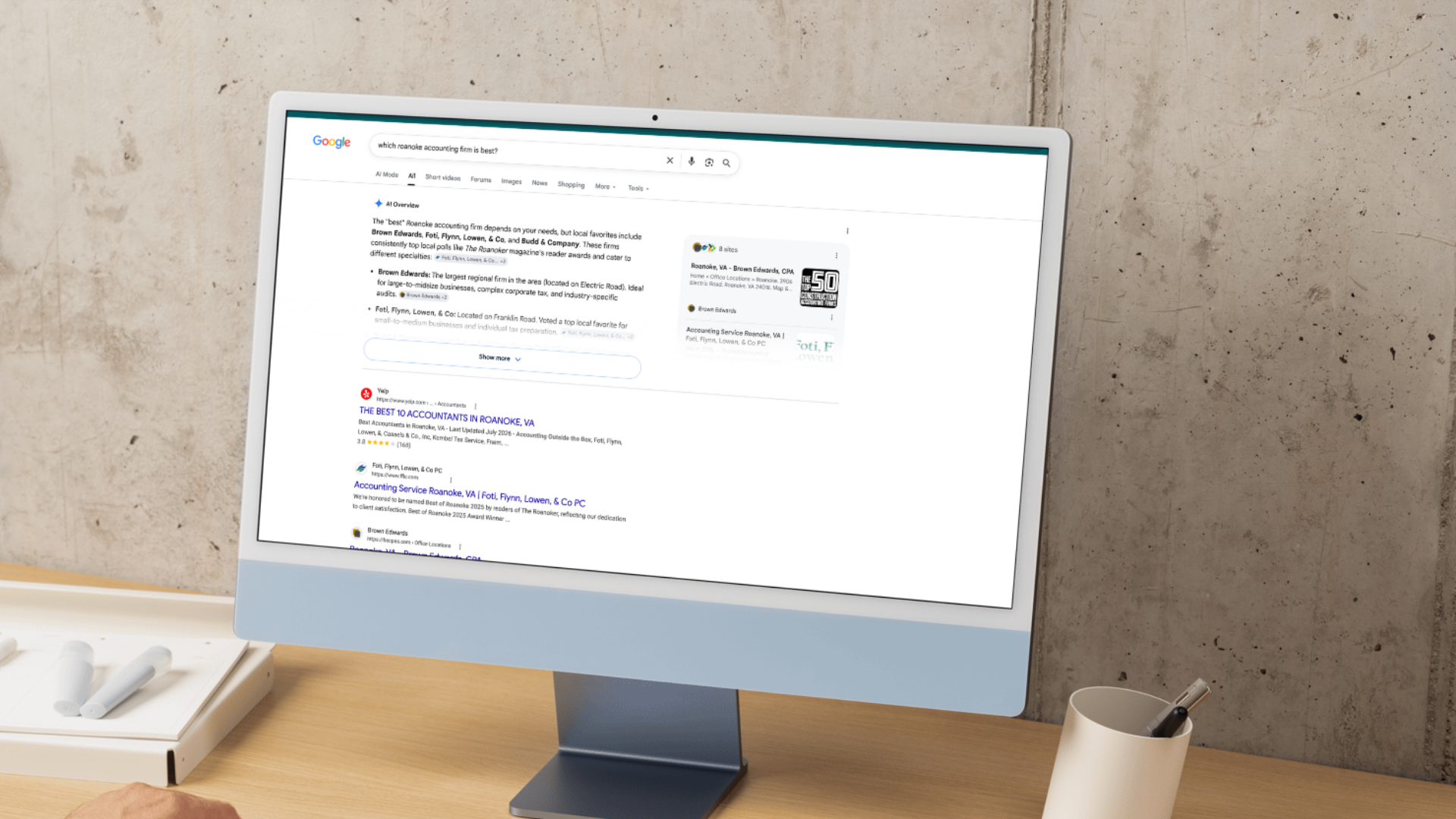
A strong local presence should support each stage. Your profile helps someone verify that the business is real and nearby. Your service pages explain the work. Your articles answer specific questions that come up before a call. A well-planned local SEO system connects those pieces instead of treating each page as a separate keyword project.
There is no secret AI-search shortcut
Google says there are no special technical requirements for appearing in its AI search features. Its guidance for AI features in Search points site owners back to familiar fundamentals: pages should be crawlable, important information should be visible, structured data should match the page, and the content should help the person who searched.
That is useful news for a small business. You do not need a new “AI file,” a made-up schema type, or hundreds of thin posts. You need pages that could only belong to your business. A useful service page explains the problems you handle, the locations you actually serve, the factors that affect price or timing, and what happens after someone contacts you.
This is also why answer-engine optimization should not be sold as a replacement for SEO. The same clear answers that help an AI system understand the page also help a homeowner decide whether the company is a fit.
Build pages from real customer questions
Most service businesses already have better content ideas than a keyword tool can invent. They are sitting in phone calls, estimates, contact forms, text conversations, and the questions staff answer every week.
A plumber may need to explain what changes the price of a water-heater replacement. A landscaping company may need to clarify which properties fall inside its service area. A contractor may need to explain what photos or measurements help produce a useful estimate. A venue may need to describe parking, lodging, weather plans, or setup time. Those details make a page more useful because they reduce uncertainty before the customer calls.

Give the direct answer near the top, then add the context a buyer needs. If an exact price requires an inspection, say what affects it. If availability changes by season, explain the planning window. If your team only serves part of Southwest Virginia, define the boundary instead of dropping a long list of city names into every page.
The same principle applies to the site experience. A smart service-business website should make the next step obvious, while a carefully configured AI assistant can answer routine questions and collect useful details without pretending to replace the business owner or technician.
Local accuracy matters more as search becomes more synthesized
Google and potential customers both need confidence that they have the right business. The company name, phone number, hours, primary services, and service-area model should agree across the website, Google Business Profile, major directories, and intake process.
Service-area clarity is especially important around Roanoke, Salem, Vinton, Botetourt County, and the New River Valley. A business should not claim every nearby market simply to rank. It should explain where crews actually travel, whether certain services have a smaller radius, and how out-of-area requests are handled. Our guide to service-area lead routing shows how that public information can connect to the form and pipeline behind it.
Structured data can reinforce accurate information already visible on the page. It cannot rescue a generic service page or correct an outdated profile. Schema should describe the real business and the real page; it should never become a hidden place for claims customers cannot verify.
Connect search visibility to the lead outcome
Search performance is only half the system. A business can earn an impression, a profile view, or a website click and still lose the opportunity through voicemail, an unmonitored inbox, or a form that sends no useful notification.
Every important action needs a clear destination. Calls should be tracked, forms should create or update the correct contact, chat conversations should preserve the question, and booking requests should receive confirmations and reminders. If someone is outside the service area, the system should identify that early without cluttering the active pipeline.
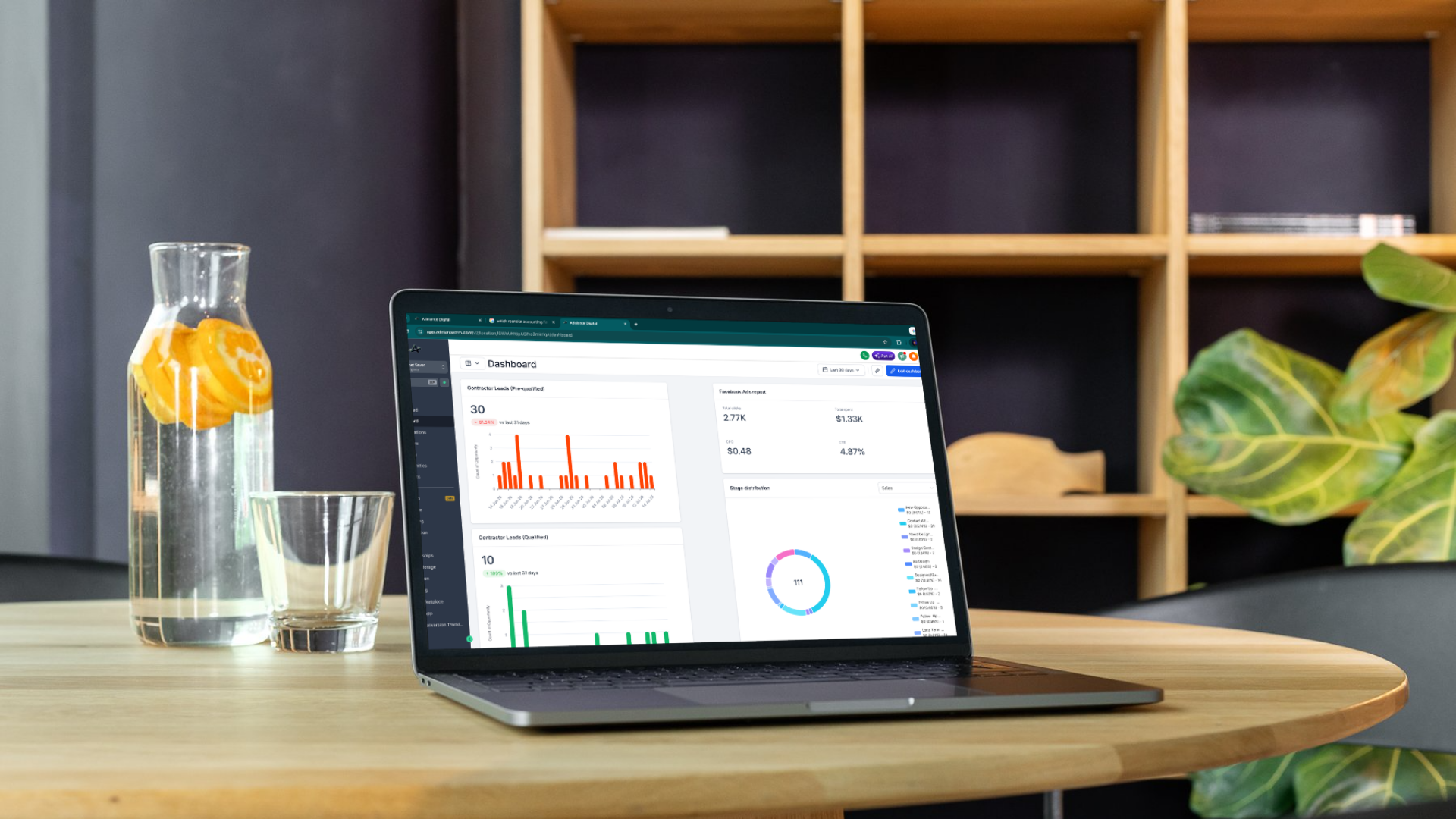
This is where CRM automation for local service businesses supports SEO. The website creates a qualified conversation; the CRM records the source, assigns the next step, and makes follow-up visible. Rankings remain helpful diagnostic signals, but calls, booked appointments, qualified opportunities, and closed work are the outcomes that pay the bills.
A practical 30-day response
Do not rebuild the website around predictions about how AI search may look next quarter. Improve one connected path from search to follow-up:
Week 1: Compare the website, Google Business Profile, directories, schema, and CRM fields for conflicting business or service-area information.
Week 2: Improve one high-value service page with a direct answer, local details, proof, pricing or timing factors, and a clear next step.
Week 3: Turn one repeated customer question into a useful article or FAQ based on the business's actual experience.
Week 4: Test a call, form, chat, and booking request. Confirm that each one creates the right record, acknowledgment, owner, and follow-up task.
AI Overviews are a reason to make local marketing clearer, not more complicated. Publish information a customer can use. Keep business data accurate. Explain the service area honestly. Then make sure every serious inquiry reaches a dependable follow-up process.
If you want to find the weakest point in that path, ask Adelante Digital to review your search-to-CRM handoff. We will look at what a prospect sees, what the system records, and where qualified opportunities can still fall through.