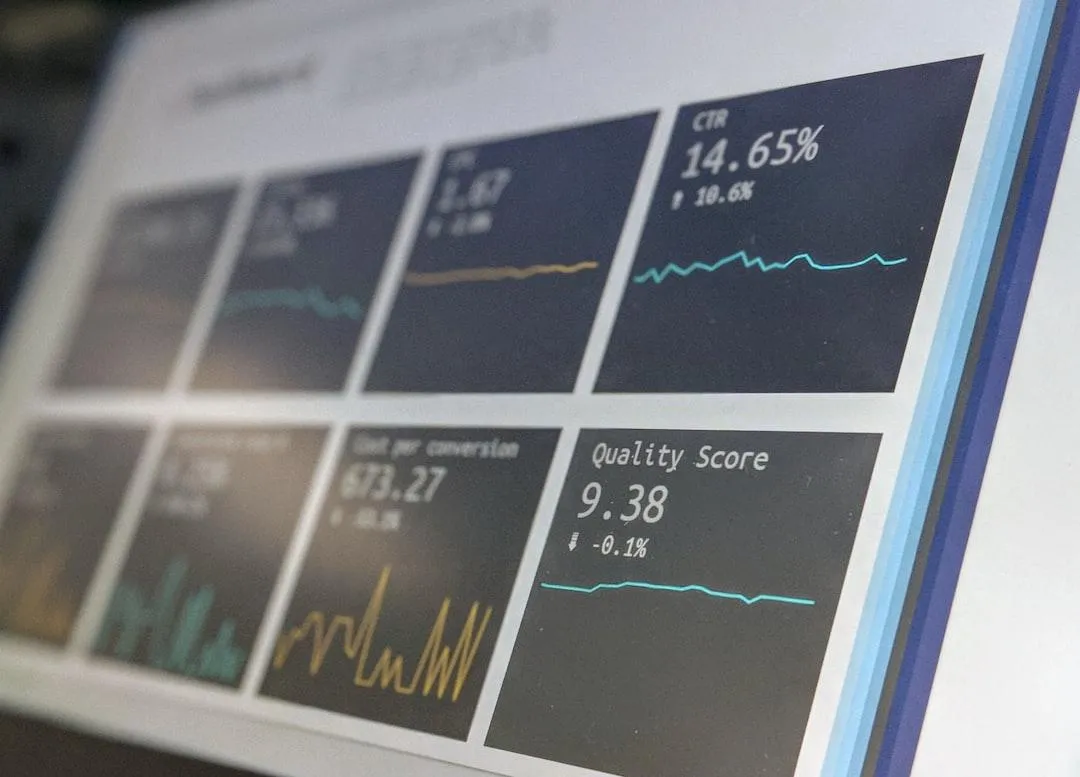
Build a Marketing Measurement Foundation Before You Buy More Leads
A local service business should not increase its marketing budget until it can follow a real inquiry from source to outcome. That does not require a perfect data warehouse. It requires a dependable measurement foundation: a small set of events, fields, ownership rules, and reports that the team can test.
Without that foundation, more traffic creates more ambiguity. Google Ads, Meta ads, local search, referrals, and website content may all produce activity, but the owner still cannot tell which source brought a qualified prospect, which lead received follow-up, or which opportunity became revenue.

Start with the decision the report needs to support
Reporting should help the owner decide where to invest, what to fix, and which leads need attention. A long dashboard that cannot answer those questions is decoration.
For most local service businesses, the central decision is not “Which channel generated the most clicks?” It is “Which service and source produced qualified opportunities that the team handled well?” That question joins marketing performance with operations.
Adelante builds measured acquisition and follow-up systems around that connection. Visibility and ads create demand. Landing pages and intake establish fit. The CRM preserves source and context. Follow-up turns the inquiry into a real sales conversation. Measurement shows where that chain is working.
Define a small event chain before choosing dashboard widgets
Google Analytics 4 uses events to measure interactions, and selected events can be marked as key events. Google’s event documentation is useful for understanding the mechanism, but a local business still has to define which events represent meaningful progress.
A practical chain might be: landing-page visit, call or form start, completed inquiry, qualified lead, booked appointment, estimate or proposal, and won work. Not every step has to live in the same tool. What matters is that the handoff preserves enough information to connect the records.
Do not mark every button click as a success. A click to reveal a phone number is not the same as a completed call. A form submission is not automatically a qualified lead. A booked appointment can still be canceled. The report should keep those distinctions visible.

Make the CRM the operational record
Analytics can show that a person reached a page or completed an online action. The CRM should show what the team did next. A clean record needs the source, service interest, location, assigned owner, last meaningful touch, current stage, and due next action.
This is why CRM automation for a local business should begin with process mapping. Forms, calls, chat, and booking requests need consistent rules for creating or updating contacts. Opportunities should enter the right pipeline without losing campaign or service context.
The source field also needs governance. If one integration writes “google,” another writes “Google Ads,” and an employee types “website,” the report will fragment one channel into several labels. Decide which fields are automatic, which employees can edit, and how direct, referral, organic, and paid sources are defined.
Measure lead handling as carefully as acquisition
A campaign can generate a qualified inquiry and still appear ineffective when the follow-up fails. The first response may arrive too late. The assigned employee may not receive a task. A booked appointment may remain in the new-lead stage. Those are operating failures, not media failures.
A measurement foundation should therefore include:
- time from inquiry to the first meaningful human response;
- the share of inquiries with an owner and a due next action;
- qualification rate by source and priority service;
- appointment, estimate, and win rates by source;
- revenue or another client-result indicator when it can be recorded reliably.
Lead follow-up automation can send an acknowledgement, notify the right person, and create a task. It should also leave a trail the owner can inspect. Speed is useful; visible ownership and outcome tracking make it manageable.
Test the foundation with real lead paths
Imagine a Salem homeowner clicks a Google ad for a specific repair service, calls from the landing page, and books an estimate after speaking with the office. The test is whether the business can see the campaign, service, call, contact, opportunity, appointment, owner, and result without piecing together five disconnected screenshots.
Run the same test through a website form and an organic local-search visit. Use test contacts that the team can recognize. Confirm that source information arrives, consent and contact details are stored appropriately, acknowledgements behave correctly, and the next task reaches the intended employee.
Google Ads explains that conversion measurement can track valuable actions after an ad interaction. That is the advertising side of the test. The business side is verifying that the action produced a usable inquiry and a recorded outcome.

Build the first 30 days around reliability
The first month should establish a baseline, not manufacture a success story. Document current lead sources, test priority conversion paths, clean the minimum required CRM fields, and create a report the owner can review every week. Fix broken handoffs before adding more campaign complexity.
Once the foundation is dependable, optimization becomes more honest. The business can compare qualified lead cost, lead-handling performance, appointment rates, and wins. It can decide whether a weak result came from targeting, the landing page, qualification, or follow-up.
If your reports stop at traffic and form counts, ask Adelante Digital to scope a measurement foundation. We will map the acquisition-to-follow-up path, define the events and fields that matter, and test whether the numbers can support a real budget decision.