
Local SEO and AEO Need More Than a Pretty Homepage
For local businesses that want to show up in Google and AI answers without pretending a homepage can carry the whole job.
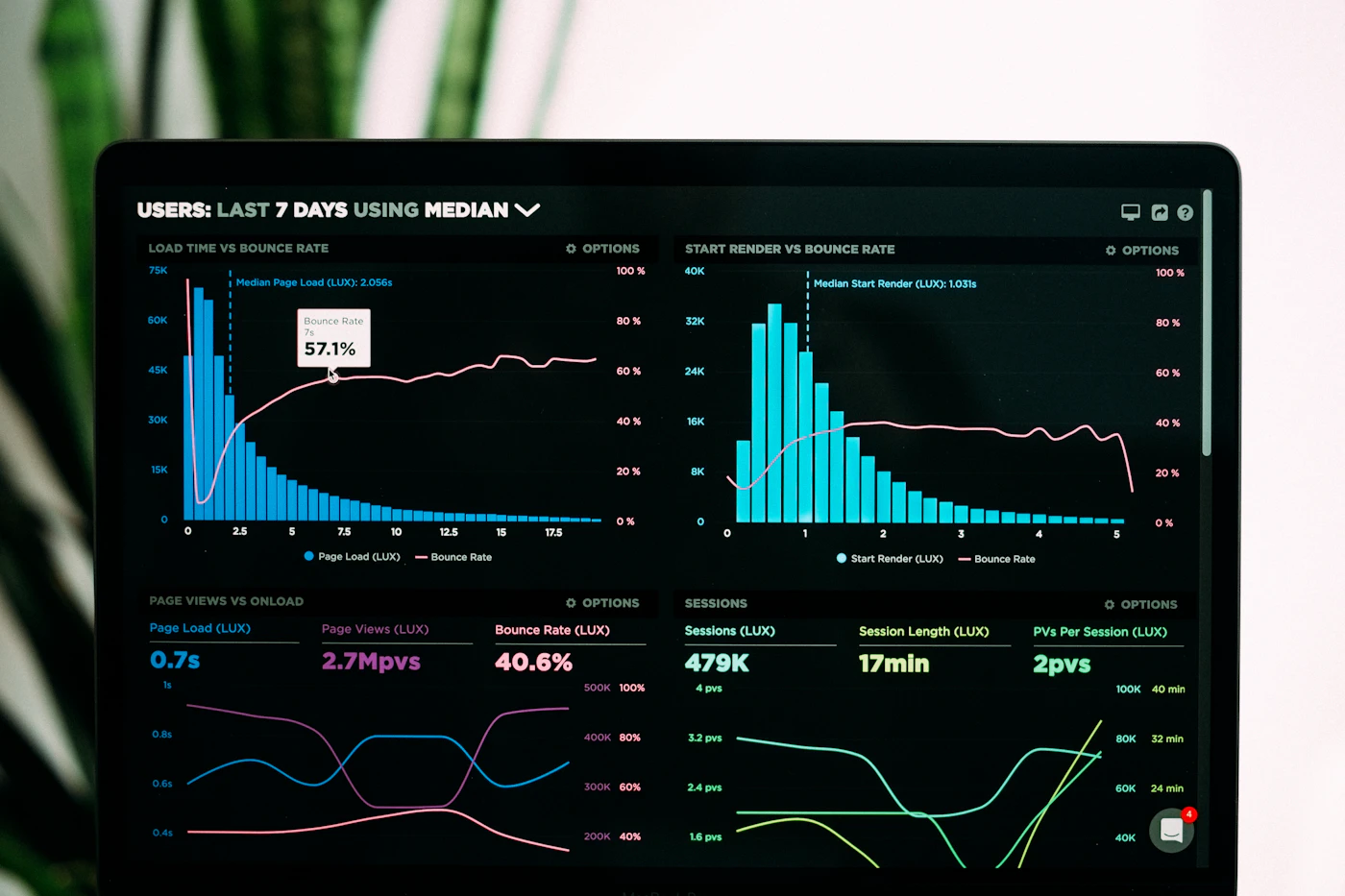
Search engines and answer engines need connected evidence, not just a polished homepage.
A polished homepage is not a local search strategy
A homepage can explain who you are, build trust, and point visitors to the right next step. It usually cannot answer every service, location, pricing, process, comparison, and objection question a real buyer has.
That matters more now because people search across Google, Maps, voice assistants, AI search tools, and answer engines. These systems need clear evidence about what a business does, where it does it, who it serves, and why it is credible.
For Adelante Digital, that means the homepage should support a larger content system. The service pages for AI automation, CRM automation, and local SEO and AEO should each answer a different buyer question and reinforce the same business entity.
Local visibility is built from connected signals
Local SEO used to be treated like a checklist: title tag, city keyword, citations, reviews, and a Google Business Profile. Those still matter, but the work is broader now. A business also needs content that explains services clearly, internal links that show relationships, reviews that mention real work, and structured data that helps machines understand the page.
Google’s Business Profile documentation is still a useful reminder that local visibility depends on accurate business information, categories, hours, services, and customer trust signals. The website should reinforce those facts instead of introducing a different story.
A local site should make the business easy to understand across Google, Maps, AI tools, and human buyers.
What cheap site builders tend to miss
Most cheap website tools focus on design and speed. That is fine for launching, but weak for long-term visibility. They often produce thin service pages, generic FAQs, weak internal links, missing schema, vague proof, and no plan for publishing content that answers real local questions.
The result is a site that looks acceptable but gives search systems very little to cite. A page that says “we provide quality service in Roanoke” is not evidence. A page that explains a specific service, common buyer concerns, local context, process, pricing factors, and next steps is much stronger.
This is where AEO, or answer engine optimization, overlaps with good local SEO. Answer engines reward clarity. They need concise explanations, direct answers, credible details, and consistent entity signals. A bloated article is not better. A useful, specific article is.
Internal links should feel like guidance
Internal links should not be dumped at the bottom of a post. They should help the reader move naturally. If a post discusses slow response time, it should link to lead follow-up automation. If it explains CRM structure, it should link to CRM services. If it talks about answer visibility, it should link to the local SEO/AEO page.
Those links help readers, but they also help search engines understand the site architecture. They connect the blog to the commercial pages that matter.
The same applies to external links. A post about search quality can cite Google’s people-first content guidance. A post about structured context can cite Google’s structured data documentation. External links should support trust, not pad the page.
Good local SEO connects visibility, content, conversion paths, and follow-up data.
The Roanoke version of useful content
Roanoke-area businesses do not need vague national marketing advice copied into a city page. They need content that reflects how people actually choose local providers. A homeowner may compare contractors around Cave Spring and Salem. A venue shopper may care about distance, lodging, parking, and photography. A service business may need fast missed-call response because buyers are calling multiple providers.
Those examples create credibility. They show the business understands local buying behavior, not just keyword placement.
That is the standard every post in the Adelante Digital Field Notes should meet: specific, useful, internally connected, and written from real operating context.
The practical takeaway
Local SEO and AEO need more than a pretty homepage. They need service pages, internal links, helpful supporting content, schema, reviews, consistent business facts, and a follow-up system behind every call to action.
If your website only has a homepage, about page, and contact form, you may be under-explaining the business to both buyers and search systems.
Adelante Digital builds local SEO, AEO, and CRM-connected content systems for Roanoke-area businesses that need more than a template but less than a bloated agency.
Images and examples are part of the signal
Visuals matter too. A useful post should include diagrams, screenshots, photos, or simple graphics that support the point. For local service businesses, images can show process, proof, people, location, or workflow. They help readers understand the concept and make the page feel less like generic generated text.
That does not mean every post needs expensive photography. A practical infographic, a relevant team/process photo, and one supporting visual can make the article easier to scan and more credible. The goal is not decoration. The goal is to make the idea clearer.
Content should support conversion
Local SEO content should not sit apart from the sales process. If a page explains missed-call follow-up, it should send readers toward the follow-up offer. If a post explains local entity signals, it should connect to the SEO/AEO service page. If a guide explains CRM tracking, it should point to the CRM page. That is how content becomes part of the business system instead of a loose pile of articles.