Why We Cataloged a Content Day Before Editing the First Video
A recent content day for an established home-service business produced more than 80 usable files and roughly 35 gigabytes of material. There were employee interviews, individual portraits, team photographs, activity footage, and a long candid clip of the staff together. The obvious next step was to begin editing the first video. We paused and cataloged the source material instead.
That pause changed the value of the day. The client did not merely have a folder of camera files or one promised edit. It had a searchable library of people, explanations, and working moments that could support service pages, local profiles, social posts, recruiting, and future campaigns. The first video still mattered, but it no longer had to carry every useful story.
The first edit was not the only business asset
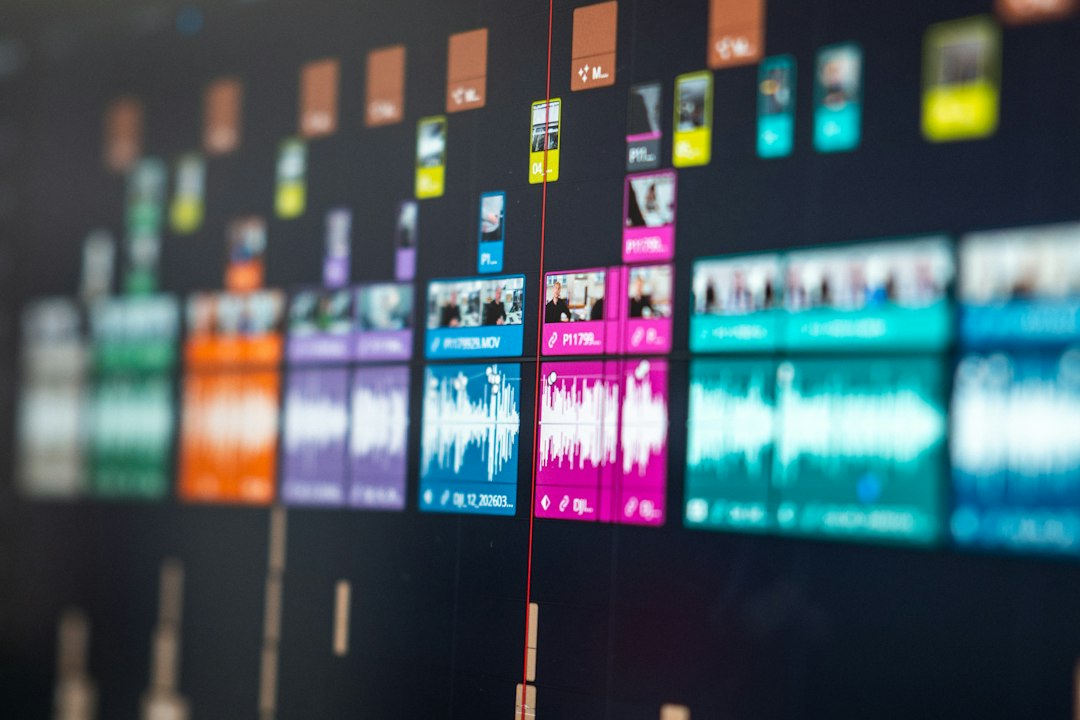
Most content projects are organized around deliverables: one profile video, three short clips, or a set of photographs. That is useful for estimating the work, but it can hide what was actually captured. A technician's explanation may answer a common buyer question. A team portrait may strengthen an About page. A candid exchange may show the culture more honestly than a scripted introduction.
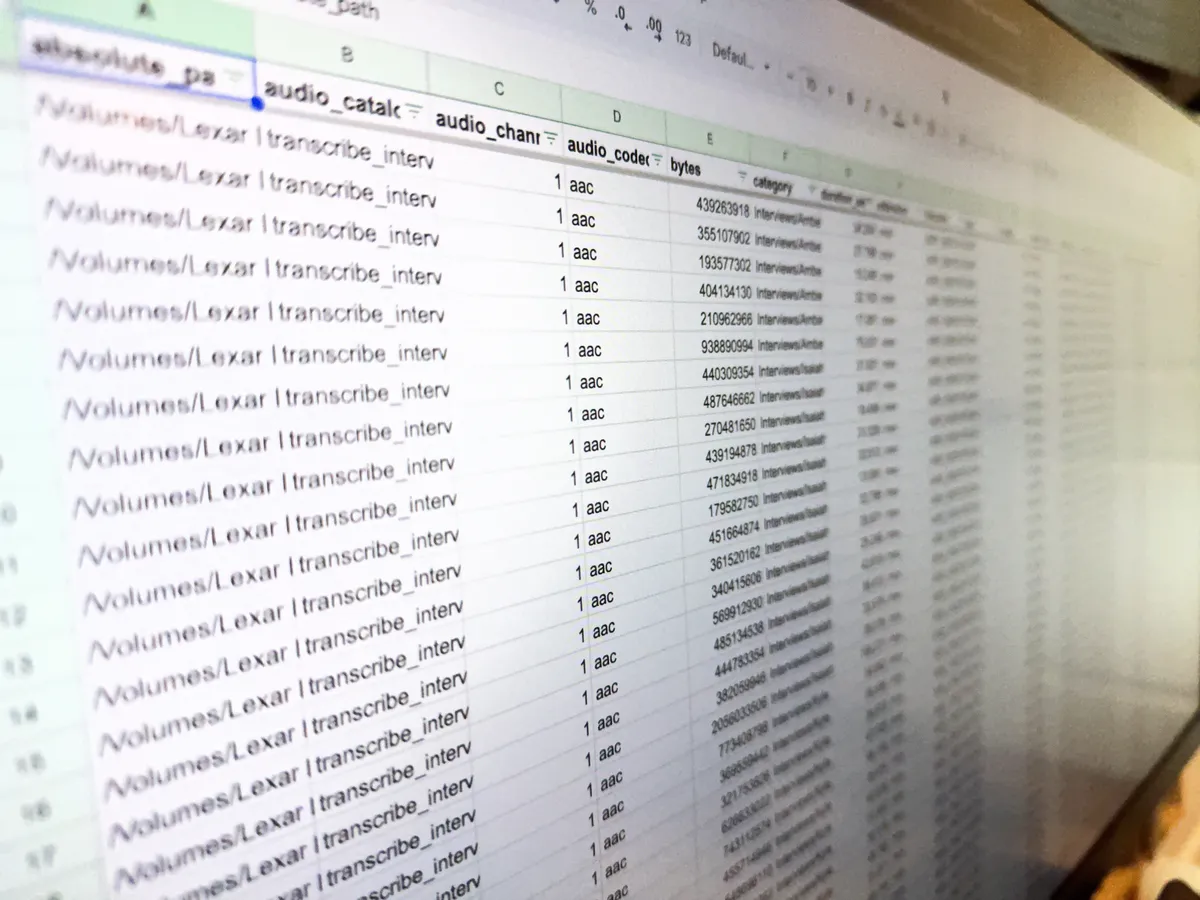
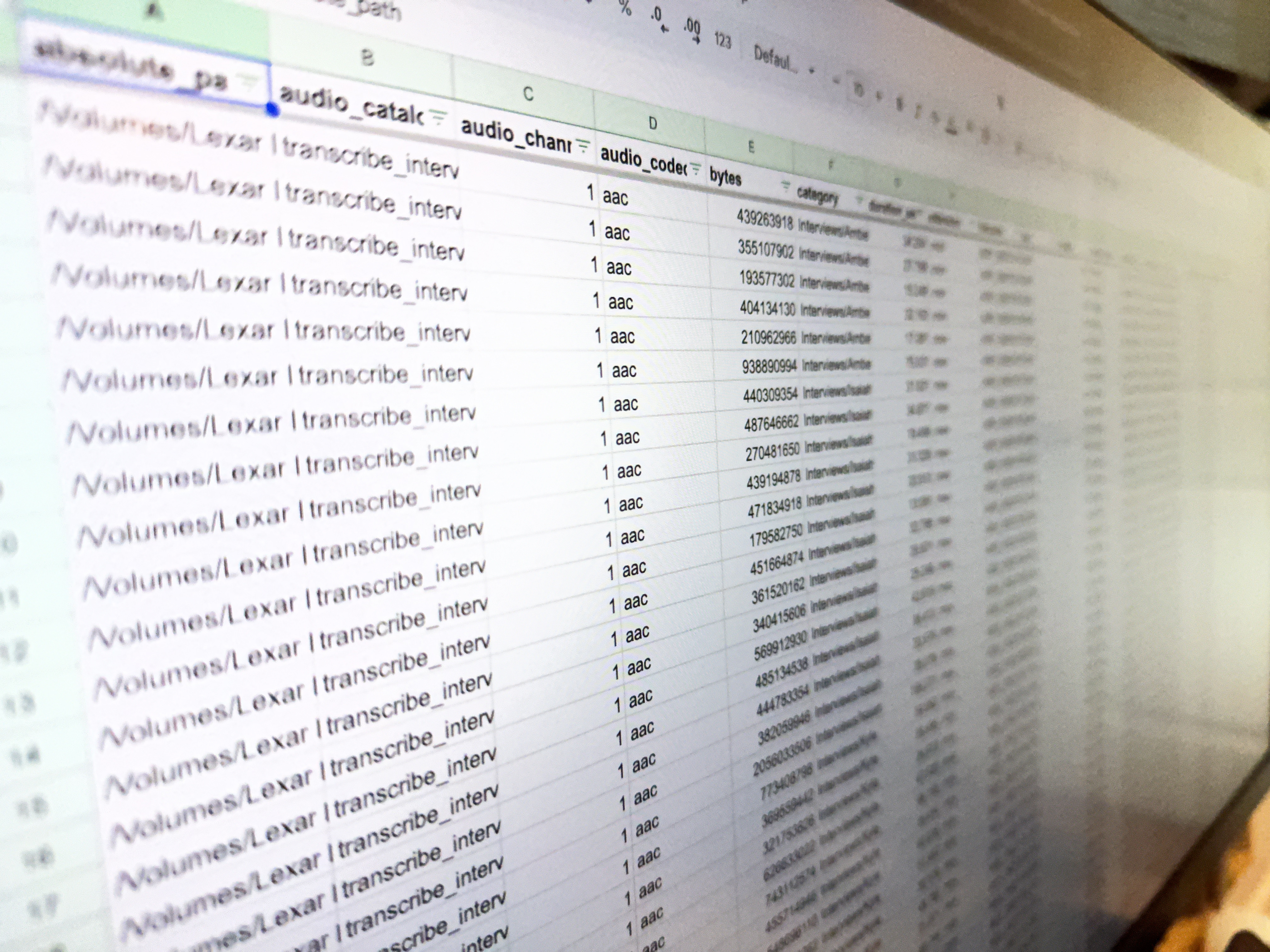
We treated each file as potential evidence. Interviews were transcribed so a future editor could search for an answer instead of replaying every clip. Photographs were grouped by person and use. Longer footage was identified separately so it would not disappear behind the short clips chosen for the first release.
This supports local visibility built on real business evidence. A page is more useful when it can show who performs the work and explain how the team thinks, rather than relying on the same polished claims competitors make.
A searchable library protects the owner's investment
A content day asks for owner time, staff participation, preparation, and access to the business. If the material is stored only by camera card and filename, much of that investment becomes difficult to reuse. Six months later, nobody remembers which clip contains the clearest answer about a service or where the strongest team image was saved.
The catalog does not need to be complicated. For this project, the useful record included the source filename, the person shown, the subject discussed, the type of shot, and enough timing information to return to the original. Those details connect an idea in a content plan to the actual source that can prove it.
Proof needs a destination before it needs polish
Cataloging also revealed what the material could and could not support. Some answers belonged in employee introductions. Others could help a service page explain judgment or process. Portraits could strengthen profiles, while job footage would be more credible beside a specific service claim than inside a general brand montage.
That destination-first review prevents a common mistake: making everything look good before deciding what it must communicate. Adelante's local acquisition work is more effective when an ad and its landing page can draw on specific proof. The media should help a prospective customer recognize fit, not simply demonstrate that a camera was present.
Google's people-first content guidance asks whether material demonstrates first-hand expertise and offers original value. A well-organized source library gives a business more opportunities to answer those questions with its own people and experience.
What should a local business preserve after a recording day?
The finished edits are only one part of the handoff. A useful proof library should leave the business with four things:
the original files and a clear record of where they are stored;
searchable transcripts or notes for substantive interviews;
descriptions that connect people and scenes to likely business uses;
an approved-use record for customer stories, locations, and sensitive details.
That last item matters. A technically good clip is not automatically appropriate for public use. The business still needs accurate claims, customer permission where required, and a review process. Google's image guidance also reinforces a practical principle: descriptive context and nearby text help people and search systems understand why an image belongs on a page.
How might this work for a Roanoke contractor?
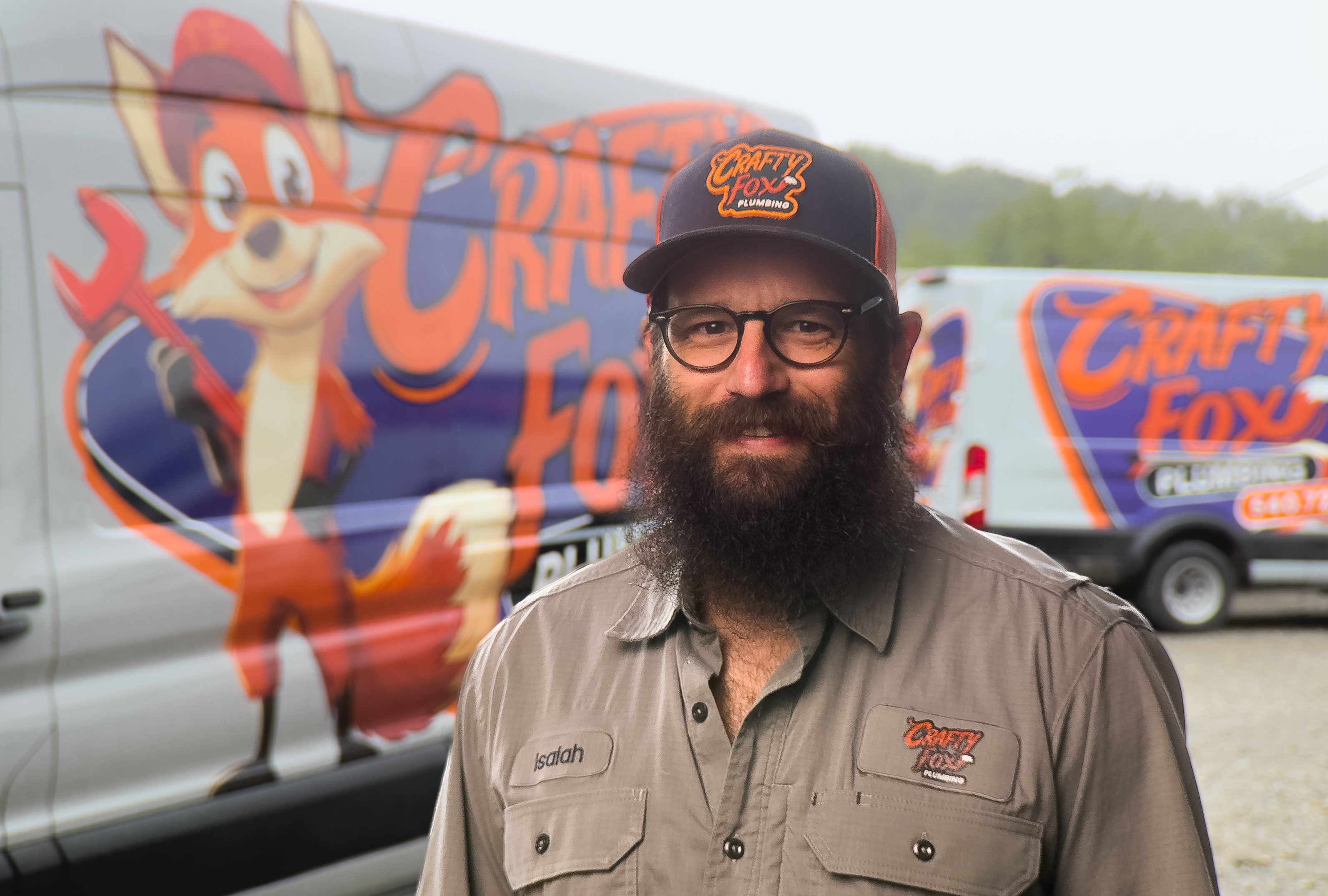
Imagine a Roanoke plumbing company recording a team day. One technician explains how the company diagnoses a low-pressure complaint. Another talks about the work she enjoys most. The owner describes how the team decides whether a line can be repaired or should be replaced. The camera also captures portraits, equipment, and staff working together.
Those sources should not be forced into one company video. The diagnostic explanation may support a service article. The owner's decision framework may belong on a focused landing page. The portraits can establish who customers may meet, while the team footage can support hiring or an About page. A field-note publishing rhythm can then draw from the library as real questions arise.
Build the library around the next business decisions
The lesson from this project was not that every recording day needs a large database. It was that original media gains value when the business can find, verify, and apply it later. The catalog should be detailed enough to support the next page, campaign, or customer question without creating administrative work for its own sake.
Adelante's proof-led growth approach connects positioning, original media, distribution, conversion, and measurement. If your business has years of expertise but little organized evidence online, request a proof-library planning conversation. We can identify the questions the next capture should answer and the places that evidence will need to work.