Build the Case Study Before You Need the Case Study
A good case study is usually lost long before anyone sits down to write it. The project begins with a real constraint, the team makes several useful decisions, the work gets completed, and everyone moves on. Months later, marketing asks for the starting point, the photos, and the result. Nobody remembers the details in the same way.
The fix is to build the case study while the work is happening. Capture a small set of facts at the start, record the important decisions during the project, and ask for approval when the outcome is still fresh. The final story becomes more accurate, more useful, and easier for a prospective client to trust.
Why does the finished project tell only half the story?
A polished after photo can show that something changed. It cannot explain why the project mattered, which tradeoffs shaped the work, or how the provider handled uncertainty. Those details often carry the trust.
For trust-intensive services, buyers are not only evaluating the output. They are evaluating judgment. A homeowner wants to know whether the contractor noticed a hidden constraint. A financial-services prospect wants to understand the process and communication without seeing private client information. A clinic patient wants clear expectations and appropriate boundaries, not a dramatic promise.
This is why Adelante’s authority and measured-acquisition work treats proof as part of the operating system. Original content is more credible when it grows from real decisions, approved evidence, and outcomes the business can explain.
Capture the starting point before the work changes it
At the beginning, record the situation in the client’s own language. What prompted the call? What had already been tried? What constraint affected the recommendation? What outcome would count as useful to the client?
The record does not need to be long. A short intake note, a few photographs, the initial scope, and one approved quote can preserve what later disappears. For sensitive work, decide from the start what must remain private and whether the story will be anonymous.
Google’s people-first content guidance asks whether content demonstrates first-hand expertise and provides substantial value. A case study built from contemporaneous project evidence has a better chance of meeting that standard than a generic success story assembled from memory.
Document the decisions that reveal expertise
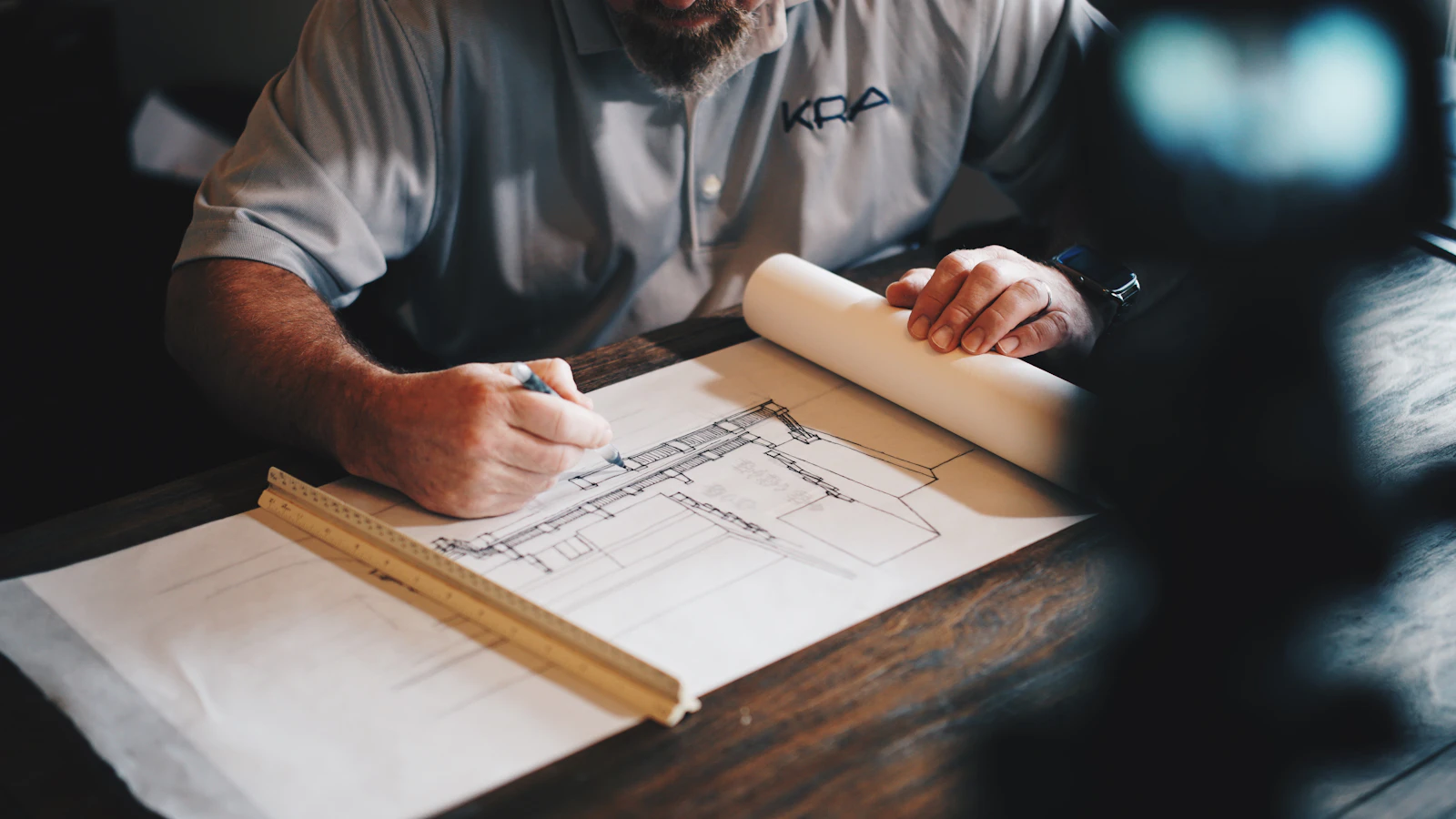
The middle of the project is where the provider’s judgment becomes visible. A schedule changes. An inspection reveals a problem. A client chooses one option over another. The team adjusts the plan without losing the objective.
Those moments are often more persuasive than broad claims such as “quality service” or “custom solutions.” They show how the business thinks. A useful field note can explain the decision without exposing the client or pretending the result applies to everyone.
Imagine a Roanoke remodeling company completing a kitchen project. The useful story is not simply that the room looks better. It may explain how the team worked around an immovable plumbing location, preserved part of the existing cabinetry, and sequenced the work so the family understood when the kitchen would be unavailable. No invented percentage is needed. The decisions provide the proof.
Measure what the client actually cared about
Not every case study needs a revenue chart. The relevant outcome depends on the service and the original goal. A result may be a completed installation, a shorter intake process, fewer scheduling errors, a booked consultation, a documented cost avoided, or a client-approved qualitative change.
The measurement has to be defined honestly. If the project can only show an early indicator, call it an early indicator. If several factors influenced the outcome, say so. If the client gave a subjective assessment, present it as their experience rather than a guaranteed result.
A simple client and project record can preserve the source and starting point. It can also track milestone notes, the follow-up date, and approval status. The CRM is useful here because it keeps the evidence connected to the work. It is not the headline of the story.
Get permission before the story becomes a marketing asset
Approval should be specific. Confirm whether the business may use the client’s name and company. Review any location, quote, images, and results separately. Give the client the final context rather than asking for a vague blanket release after publication.
The federal endorsement rules in 16 CFR Part 255 address endorsements and testimonials, including honesty and disclosure principles. The practical standard is straightforward: do not make the client’s experience say more than it says, and disclose a material connection when one could affect how the audience evaluates the endorsement.
For regulated or sensitive fields, client approval may not be enough by itself. The business should follow its professional, privacy, and advertising requirements. An anonymous process story can still be useful when naming the client would be inappropriate.

Turn one approved story into a useful proof set
Once the evidence is approved, the business can adapt it without manufacturing five separate stories. The full case study can live on the site. A shorter field note can answer one buyer question. A salesperson can use the relevant section during follow-up. A video can let the owner explain the decision. An ad can point to the proof without turning the client into a slogan.
The supporting local authority content should link the story to the service it demonstrates. The Adelante Field Notes follow the same principle: a piece earns attention by helping a buyer understand a real decision, not by filling a publishing slot.
The easiest case study to build is the next one. Add a short proof checklist to intake and closeout. Capture the starting point before it changes. Save the meaningful decision while everyone remembers it. Define the outcome, then request precise approval.
If your best work keeps disappearing into finished-job folders, bring Adelante one completed or active project. We can map the evidence, permissions, full story, and follow-up uses so the proof supports real buyer decisions.